


TL;DR
- Oil trading on Hyperliquid surged as volatility linked to Middle East tensions pushed activity close to $1 billion in a single 24-hour session.
- The surge briefly made oil the second most traded market on the platform, ahead of Ether but behind Bitcoin.
- The spike also drew attention to HYPE because its buyback-and-burn design ties token demand to trading activity.
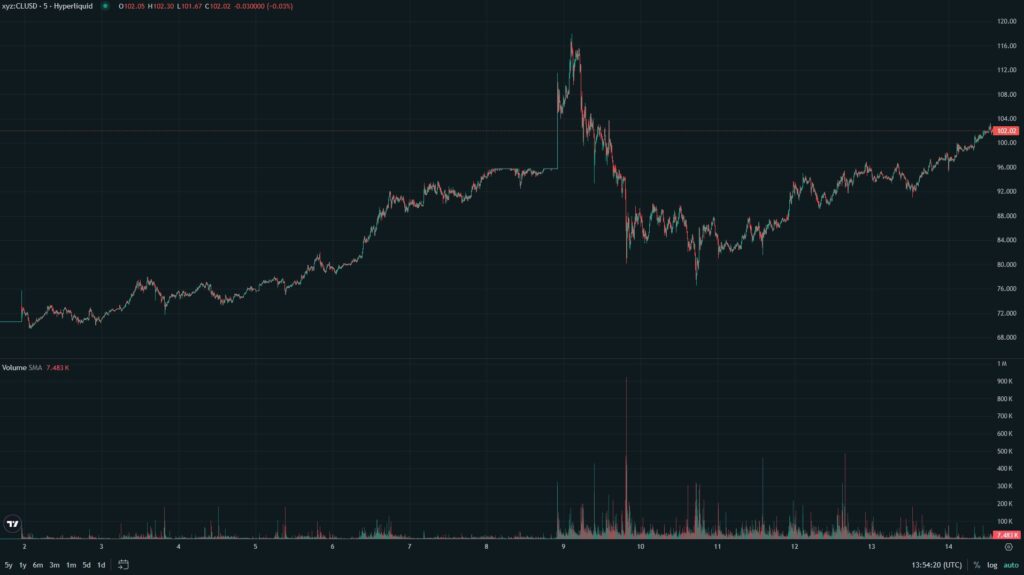
Rising tensions in the Middle East have triggered sharp swings in oil prices, which are now spilling into crypto markets. Oil trading on Hyperliquid surged this week as traders rushed to speculate on crude prices via the platform. Activity approached $1 billion in 24-hour volume in one recent session, with some reports citing $1.2–1.6 billion on other days.
The surge followed a broader rally in oil markets as investors reacted to fears that the Iran conflict could disrupt the region’s supply routes. Oil prices climbed rapidly during the volatility, drawing attention from traders looking for ways to react quickly to global events.
While oil is normally traded on traditional commodity exchanges, platforms like Hyperliquid offer a digital alternative. These crypto-based markets allow users to bet on oil price moves (tracking major crude benchmarks) without buying actual barrels.
How crypto platforms enable oil speculation
Hyperliquid runs continuously, meaning users can trade at any time of day rather than only during standard market hours. This round-the-clock structure can be appealing during fast-moving global events, when prices may change while traditional exchanges are closed.
In this case, the platform’s oil-linked market quickly became one of its busiest. Reports indicate that oil trading volumes briefly ranked second by volume after Bitcoin and overtook Ether on the exchange. The event highlights how strongly macroeconomic events can influence activity in digital asset markets.
For many users, the platform’s oil market functions as a way to respond quickly to geopolitical news, energy supply, or global economic conditions. Instead of waiting for the next trading session on a conventional exchange, traders can enter or exit positions instantly.
A broader shift toward real-world markets
The surge also illustrates a wider trend within crypto: markets originally built for digital tokens are increasingly offering exposure to real-world assets such as commodities. This shift expands the role of crypto platforms beyond cryptocurrency trading alone.
As new products emerge, users can gain exposure to movements in markets such as oil, gold, and foreign currencies within the crypto ecosystem. Growing oil trading volumes on Hyperliquid oil trading reflect that change. It was global energy markets and geopolitical risk that sparked the activity on the platform, not developments within crypto itself.
Interest in the HYPE token rises
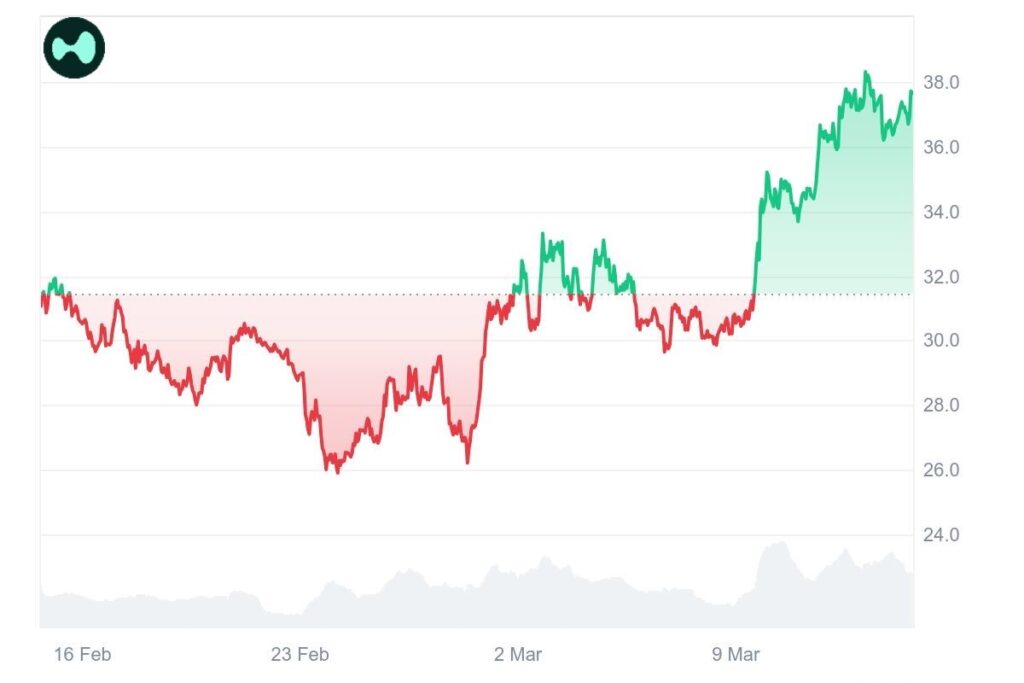
The burst of activity has also drawn attention to Hyperliquid’s native token, HYPE. Some market observers note that increased trading activity on the exchange can support demand for the token, given its ties to the platform’s broader ecosystem, including HYPE’s buyback-and-burn design. The protocol uses trading fees to repurchase and burn tokens.
However, the token’s movement appears to be a secondary effect of the larger story. The main development is the growing role of crypto platforms as venues where traders react to global financial events in real time.
>>> Read more: How Tether Commodity Lending Is Reshaping Trade Finance
Looking ahead
The recent surge suggests that crypto markets may play an increasing role during periods of global volatility. Because they operate continuously and attract traders from around the globe, these platforms can become active hubs when major news moves prices in traditional markets.
For now, oil trading on Hyperliquid is a clear example of that shift. What began as a crypto-focused exchange has briefly become a place where traders respond directly to one of the world’s most important commodities.