


TL;DR
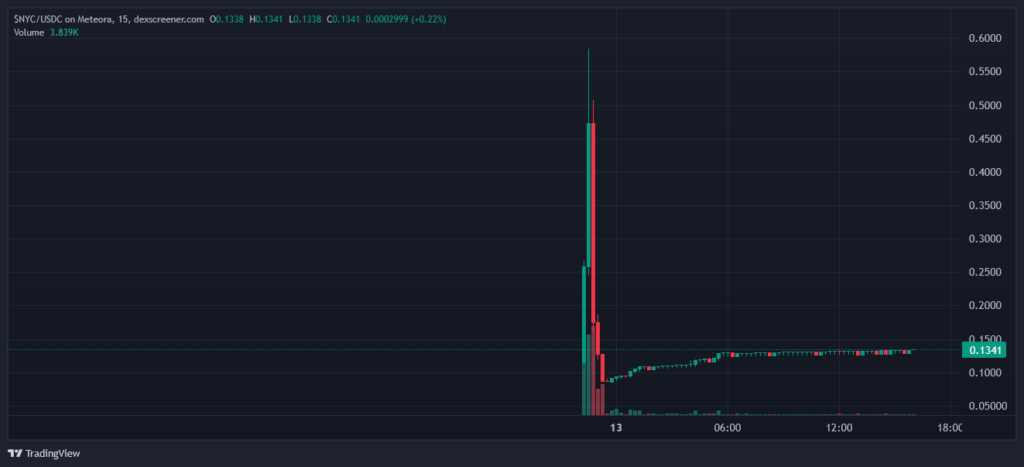
- A Solana-based NYC token promoted by Eric Adams surged after launch before crashing more than 60%. Some trackers are showing losses above 80%.
- On-chain analysts flagged liquidity withdrawals near the peak, fueling rug pull allegations, though no official findings have been made.
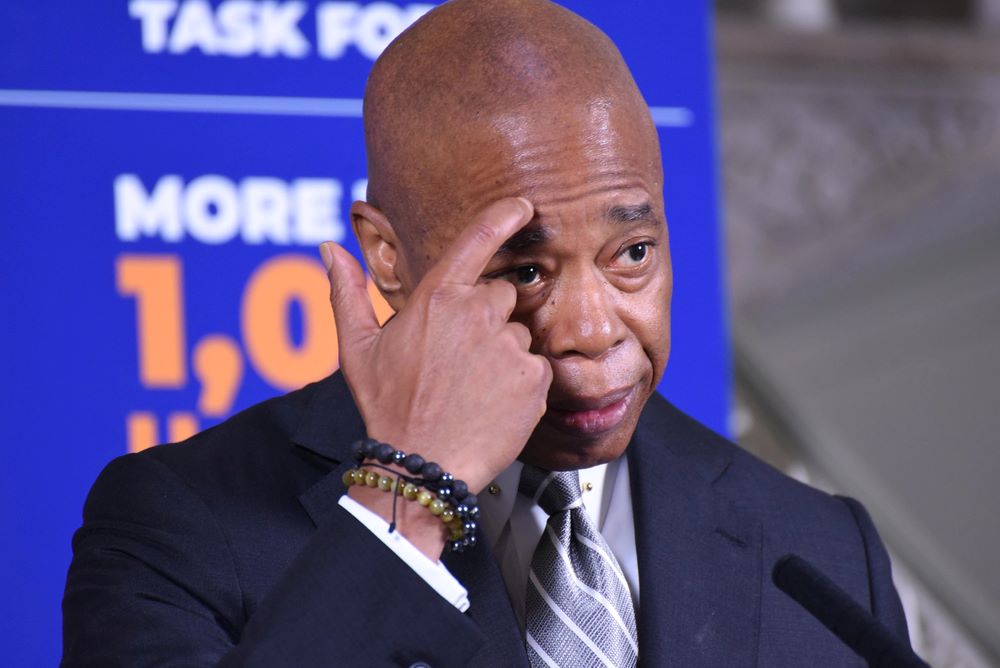
A Solana-based meme coin branded as the NYC token and publicly endorsed by former mayor Eric Adams surged in early trading before reversing sharply as liquidity concerns spread among traders. Prices plunged more than 60% from peak levels within hours, with some trackers showing drawdowns above 80% at the lows. The sudden reversal drew attention to the NYC token crash and triggered allegations that early liquidity movements amplified losses for late buyers.
How Eric Adams presented the NYC Token
Eric Adams promoted the NYC Token publicly, framing it as a civic-minded initiative rather than a conventional meme coin. At launch, Adams described NYC Token as a “commemorative” digital asset whose proceeds would support antisemitism awareness programs, anti-Americanism education initiatives, and crypto and blockchain education for New York City students. Further, it would help finance scholarships for underserved youth, including at HBCUs. Adams did not claim any official affiliation with the City of New York.
NYC Token Launch and Early Market Activity
The crypto token launched on Solana and quickly attracted speculative inflows typical of a Solana meme coin. Early trading was concentrated in a small number of liquidity pools. Such a structure can accelerate price movements in thin markets. Market-cap estimates put NYC Token as high as roughly $580 million to $730 million at its peak. Even by meme-coin standards, that’s an unusual scale for a newly launched asset.
Sell-Off and Liquidity Concerns
Momentum reversed soon after the peak. As liquidity thinned and some large liquidity positions were reduced, slippage surged, making it significantly more expensive for traders to exit positions. The resulting feedback loop accelerated the price collapse. The token‘s crash erased most of its gains within a short time window, intensifying scrutiny of the NYC project’s liquidity structure.
Rug Pull Allegations and On-Chain Claims
Attention soon shifted to blockchain data. On-chain analytics firm Bubblemaps and independent analysts flagged a wallet associated with the token’s deployer. It withdrew roughly $2.5 million in USDC liquidity near the peak. According to these accounts, about $1.5 million was later added back after the price had already fallen. Close to $1 million remained unreplaced.
Community members characterized this pattern as a potential rug pull, alleging NYC investors’ losses in the low-to-mid single-digit millions. No regulators have made formal findings, and reporting consistently frames the claims as allegations based on on-chain analysis, not legal determinations.
Adams’ Role in the Project
Adams, who left office on December 31, 2025, promoted the NYC token as his initiative on television and social media just days after his term ended. Though his public-facing role went beyond a typical endorsement, Eric Adams didn’t identify publicly as the issuer. Instead, it appears that unnamed parties control the smart contract and liquidity wallets. This leaves a visible gap between the project’s public-facing branding and its on-chain control.
Open Questions and Market Scrutiny
It remains unclear who ultimately owns and controls the deployer and liquidity wallets, and how much of the proceeds, if any, the named charities will receive. What audit or reporting mechanisms would verify those transfers? As the rug pull allegations circulate, crypto traders are closely monitoring on-chain activity linked to the token.
>>> Read more: Investors Lose Millions 50 Cent Rug-Pull Crypto Scam
Political Meme Coins Under the Spotlight
The NYC Token episode unfolds amid a broader boom in political meme coin launches, from Trump-themed tokens to other politician-branded assets. The trend has raised fresh questions about conflicts of interest, including whether anonymous deployers could expose buyers to undisclosed risks. And most importantly, do retail buyers fully understand how little protection they may have when hype turns into panic and liquidity dries up?