


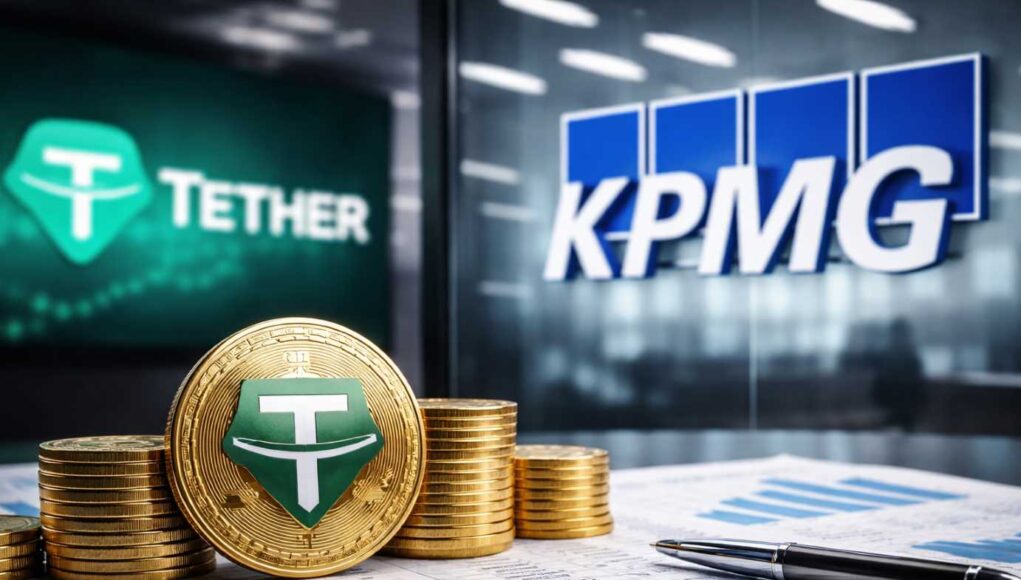


Tether’s First Full Financial Audit Receives Unqualified KPMG Opinion
KPMG issued an unqualified opinion on Tether International's 2025 financial statements. The audit goes beyond reserve attestations, but Tether has not publicly linked the signed opinion or complete accounts.

Trezor Data Breach Exposes 13,689 Customers
TL;DR
A data breach exposed personal information belonging to 13,689 Trezor customers through shipping provider ShipMonk.
Home addresses and...

Harmony ONE Exploit Sends Billions to Exchanges as Rollback Looms
Harmony patched two cross-shard receipt flaws after an attacker reportedly created roughly 4 billion ONE, with most of the tokens ultimately reaching exchanges. The network has not published a postmortem and is still considering a rollback that could affect legitimate transactions.

Goliath Ventures Crypto Fraud Cases Cite $397 Million
U.S. regulators filed separate civil cases against Goliath Ventures and founder Christopher Delgado over an alleged crypto investment fraud. The CFTC says customers contributed at least $397 million, while the SEC uses a separate $425 million figure under a different legal theory.

Russian Retail Crypto Trading Draft Names BTC, ETH and USDT
Russia’s central bank has named Bitcoin, Ether and USDT in draft rules for ordinary investors using regulated intermediaries. The proposal sets a 300,000-ruble annual cap per provider, while September 1 marks the wider legal framework rather than immediate market access.