


TL;DR
- The Senate Agriculture Committee advanced its version of the crypto market structure bill in a narrow, party-line markup vote, establishing a baseline Senate text.
- Republicans and Democrats share broad goals on regulatory clarity but remain divided over DeFi coverage, consumer protections, and governance concerns.
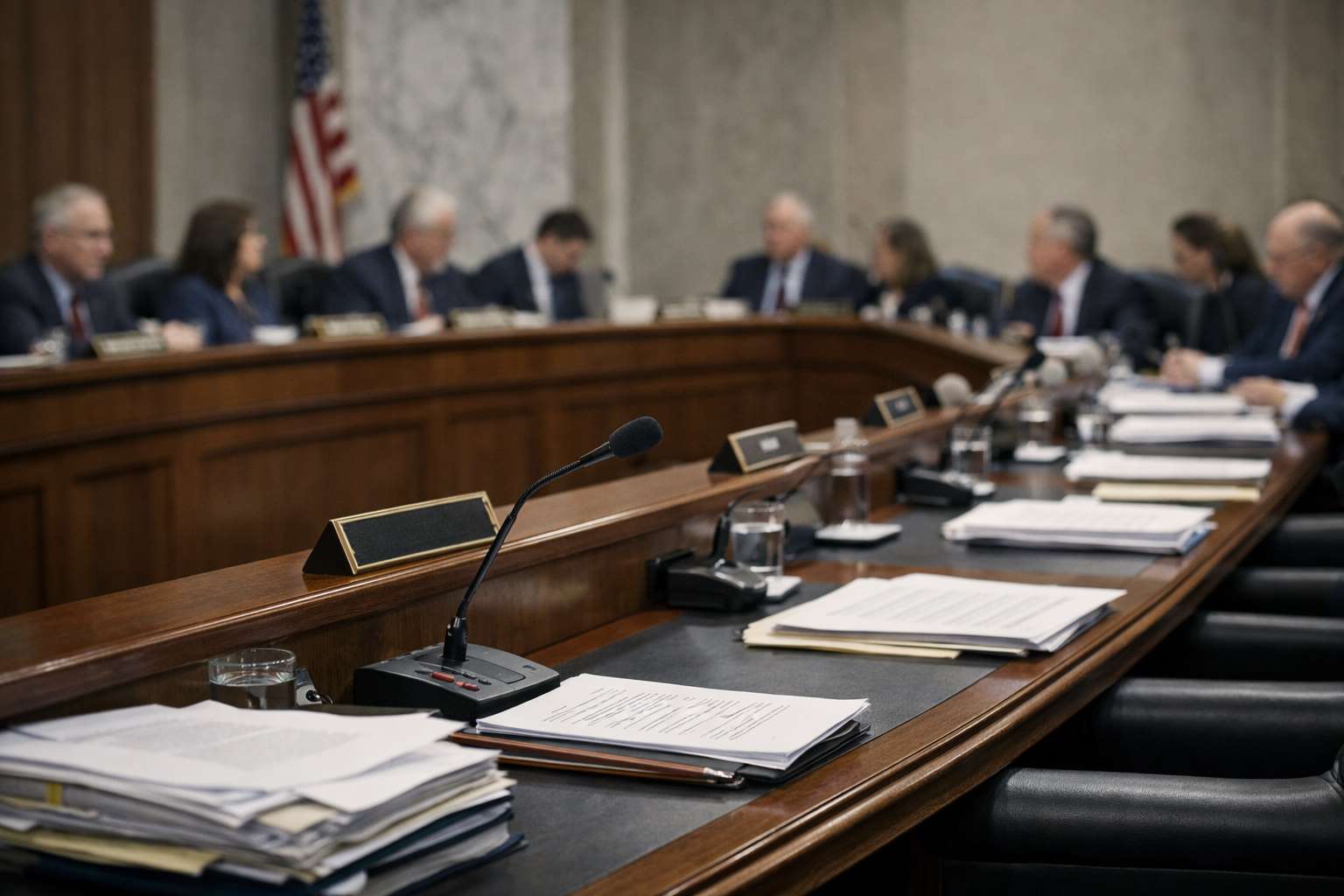
The Senate crypto market structure vote marked a procedural milestone for digital asset regulation in the United States. The markup advanced out of the Senate Agriculture Committee on a narrow, 12-11 party-line vote. Democratic members voted no, though they reiterated their support for clearer federal rules for crypto markets. While the vote did not resolve outstanding disputes, it did establish a baseline framework for further work and potential alignment with the Senate Banking Committee as the Senate process continues.
The outcome underscores a shift from abstract debate toward legislative sequencing. Lawmakers now have a concrete text to refine, align, or amend as discussions move forward.
The markup outcome and why it still matters
The Senate Agriculture Committee crypto markup succeeded despite unified Democratic opposition. That result matters because it moved the crypto market structure from discussion into a formal legislative procedure. The committee’s approval of the “Digital Commodity Intermediaries Act“ produced a working draft that can now serve as a reference point for negotiations, even if it lacks bipartisan backing at this stage.
The Senate crypto markup vote also clarified the limits of the current agreement. Yes, the bill advanced. But it did so without Democratic buy-in, underscoring that significant issues remain unresolved before any Senate floor consideration.
Where lawmakers agree on crypto market structure
Despite the split vote, there are emerging areas of overlap in how lawmakers view the problem. Many members of both parties generally recognize the need for clearer federal oversight of crypto markets. They also acknowledge that the current regulatory framework leaves gaps.
There is general recognition that the bill’s approach centers on digital asset intermediaries, such as exchanges and brokers, rather than attempting to regulate open-source software directly. In addition, the text reflects an effort to define a stronger role for the CFTC in crypto markets, paired with some degree of SEC-CFTC coordination. Democrats, however, have raised concerns about consumer protection and DeFi risks. They also question whether the CFTC has sufficient capacity and governance tools to take on an expanded mandate.
>>> Read more: Crypto Market Structure Regulation: Senate Banking vs Agriculture
Why Democrats voted no despite shared objectives
Democratic members cited a range of unresolved issues as reasons for opposing the bill in its current form. One set of concerns raised by Democrats relates to the DeFi oversight debate. They argue that the legislation does not adequately address decentralized finance activity and could leave significant on-chain activity outside effective supervision.
Other objections focused on ethics, conflicts of interest, and consumer protection. Democrats said the text does not go far enough in addressing perceived political exposure or in setting clear enforcement standards. Taken together, these concerns explain why Democrats oppose the crypto bill at this stage, even as they continue to express support for establishing clearer market structure rules.
What happens next in the Senate process
Attention now turns to the Senate Banking crypto bill and related committee work. Banking Committee members are expected to continue developing their own framework, including on custody and stablecoin issues. That will shape the contours of any eventual compromise.
Observers anticipate that staff-level discussions will focus on reconciling differences between the Agriculture Committee text, the Banking Committee’s approach, and the House-passed CLARITY Act. Whether yesterday’s vote in the Senate Agriculture committee becomes a stepping stone towards broader legislative alignment will depend on how negotiations around the crypto market structure bill unfold.
For now, the markup reflects progress without closure. The bill has advanced procedurally, but the next phase will determine whether that momentum can translate into a path forward in the Senate.