


TL;DR
- Tether plans to launch GEL₮, a stablecoin tied to Georgia’s lari, with support from Georgian authorities.
- The project reflects Georgia’s broader push to attract digital asset businesses through crypto-friendly regulation.
- Important details around reserves, oversight, and the government’s long-term role have not yet been disclosed.
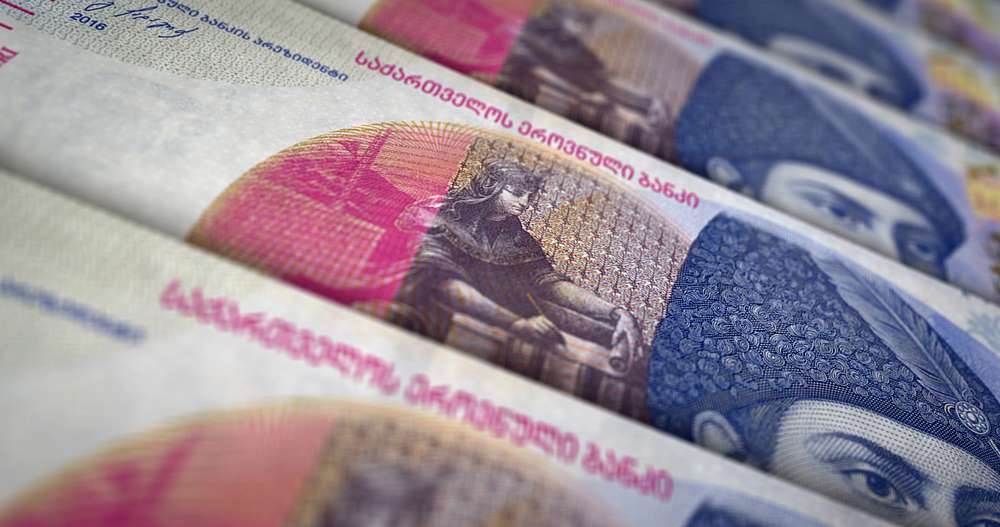
Tether plans to launch a new stablecoin representing the Georgian lari, marking a notable step in Georgia’s effort to position itself as a digital asset hub. The company said the token, called GEL₮ or GELT, will be developed with support from the Georgian government.
Tether’s stablecoin initiative in Georgia stands out because it links a private issuer with a national currency project backed by public-sector support. However, several key details remain unresolved. It is still unclear how the token will be structured, what reserves will support it, and what the government’s role will be in practice.
A Lari-Linked Stablecoin for Digital Payments in Georgia
Tether said GEL₮ will act as a digital representation of Georgia’s lari to support cross-border commerce, fintech development, and digital payments.
For everyday users, the concept is relatively straightforward. A lari-linked token could make local-currency transfers faster and easier across digital platforms. For businesses, it could create another channel for payments, settlement, and financial technology services tied to Georgia’s national currency.
Still, stablecoins are not the same as bank deposits or central bank money. They are usually issued by private companies and depend on reserve backing, redemption rules, and regulatory oversight to maintain trust.
>>> Read more: Tether Launches USAT, U.S. Regulated Stablecoin
Government Support, But Details Remain Limited
Tether described the project as an “official” stablecoin. While senior Georgian officials, including Prime Minister Irakli Kobakhidze and National Bank of Georgia President Natia Turnava, have publicly endorsed the initiative as part of the country’s broader digital finance ambition, the exact nature of the government’s involvement has not been fully explained.
But a public endorsement is different from a defined institutional role. Neither Tether nor Georgian authorities have specified what ongoing government participation in the project will look like.
Tether said it will announce more details on the token’s structure, rollout, and implementation later. Those details will likely determine whether GEL₮ becomes a practical payment tool or remains limited to a smaller crypto-focused ecosystem.
Georgia’s Crypto Strategy Comes Into Focus
Georgia has taken a relatively open approach to digital assets and has long been known as an active crypto mining location, partly because of its comparatively low energy costs. The GEL₮ launch builds on stablecoin rules developed by the National Bank of Georgia. Those rules aimed to provide legal clarity for digital asset businesses and attract fintech investment.
For Georgia, the project could expand digital payment infrastructure. It also avoids the complexity and expense of building a central bank digital currency from scratch. Instead of creating a sovereign digital currency internally, the government is working alongside a private issuer operating under a dedicated regulatory framework.
Whether the approach succeeds will largely depend on adoption. Clear rules around reserves, redemption, compliance, and user protections will also be critical.
For Tether, the move also extends its strategy beyond dollar-pegged stablecoins. The company already dominates the global stablecoin market through USDT, but non-dollar stablecoins have historically seen much lower demand.
>>> Read more: Tether Winds Down its CNHT Offshore Yuan Stablecoin
Stablecoin Adoption Still Faces Trust Questions
The broader question is whether users and businesses in Georgia will adopt a lari-backed stablecoin at meaningful scale. Stablecoins are widely used within crypto trading markets, but they are still not commonly used for everyday payments in most countries.
The Tether Georgia stablecoin project also arrives at a time when policymakers remain cautious about privately issued digital money. The Bank for International Settlements has previously warned that private stablecoins could create risks related to financial stability and monetary sovereignty.
That makes Georgia’s experiment significant beyond its domestic market. If GEL₮ achieves meaningful usage under a clearly defined regulatory framework, it could become a reference point for other smaller economies exploring local-currency stablecoins.
For now, the announcement appears more important as a policy signal than as a fully developed financial product. The next phase will depend on whether Tether and Georgian authorities can provide enough transparency around reserves, oversight, redemption mechanisms, and compliance standards to support broader adoption.