


TL;DR
- The Senate Banking Committee has scheduled a May 14 markup hearing for the CLARITY Act after months of stalled negotiations.
- Lawmakers revived discussions following a compromise on stablecoin yield rules and renewed bipartisan talks in March.
- The bill already passed the House in 2025, but political disputes and banking-sector opposition could still affect its Senate path.
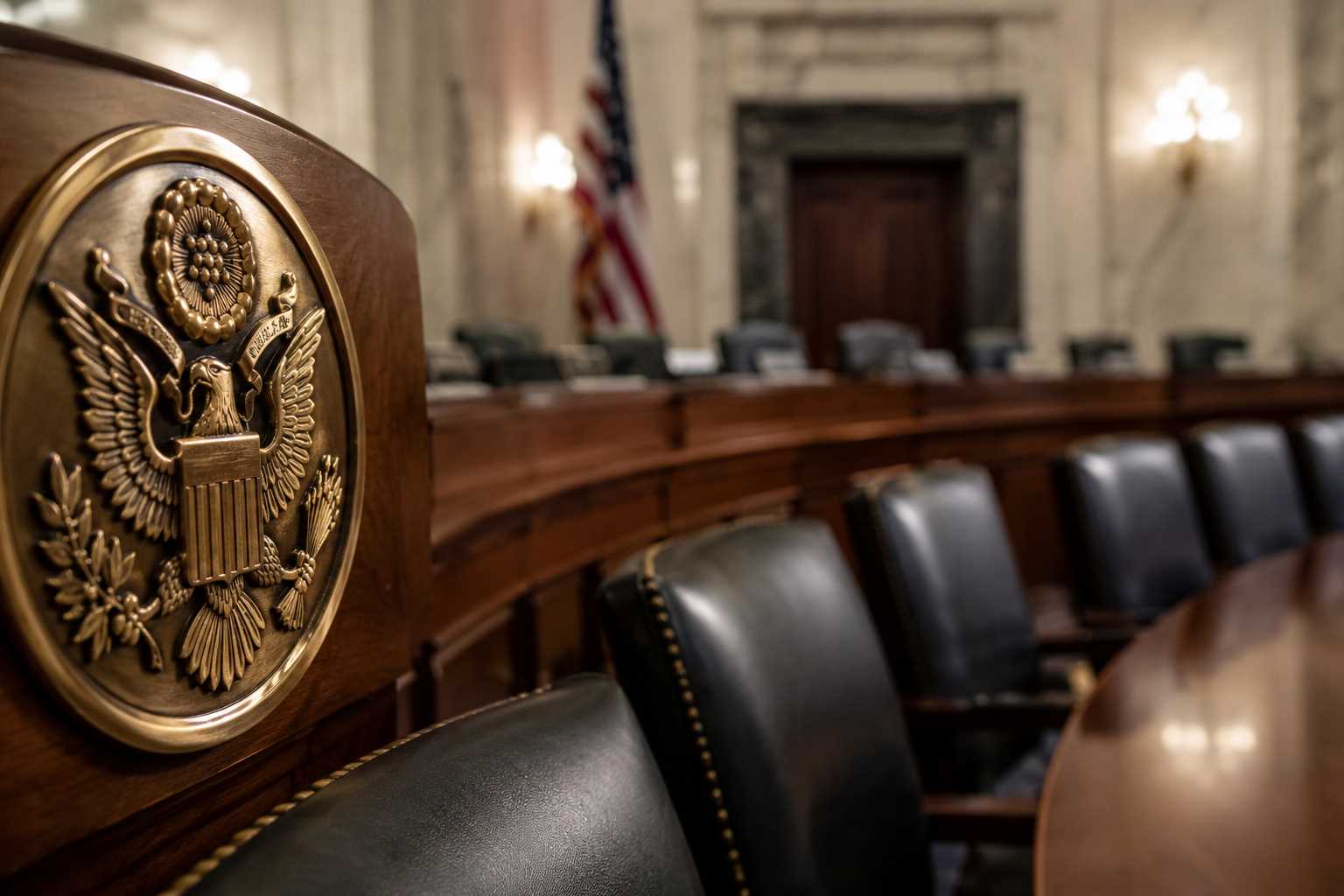
The Senate Banking Committee is preparing once more to take up one of the crypto industry’s most closely watched bills! The CLARITY Act markup hearing is now scheduled for May 14. The session could mark a key procedural step for U.S. digital asset market structure legislation after months of delays and negotiations.
The CLARITY Act is designed to clarify how digital assets should be regulated in the United States. For crypto companies, the bill matters because it could help define whether certain tokens fall under securities or commodities rules, and which federal agencies would oversee different parts of the market.
Senate Banking Sets May 14 Session
The committee’s markup is expected to focus on H.R. 3633, the Digital Asset Market Clarity Act of 2025. The legislation already passed the House of Representatives in July 2025. That makes the Senate process one of the final major hurdles before the framework could become law. A markup allows senators to debate, amend and vote on whether to advance the legislation out of committee.
That does not mean the bill is close to becoming law. It still needs broader Senate support, possible reconciliation with House language and final approval before reaching the president’s desk.
The legislation has already cleared an important hurdle in the Senate Agriculture Committee, where lawmakers voted in April to advance their version of the market structure framework. That committee’s involvement is significant because oversight of digital assets in the United States is split between multiple regulators and congressional committees.
>>> Read more: Crypto Market Structure Regulation: Senate Banking vs Agriculture
Earlier Delays Shaped the New Push
Still, scheduling the markup hearing is meaningful progress because the CLARITY Act has been stalled for months. Crypto firms and industry advocates have argued that the lack of clear rules has left companies uncertain about compliance, token listings and product development.
The legislation had previously appeared close to a Senate markup earlier this year. However, momentum slowed in January after Coinbase CEO Brian Armstrong withdrew support for parts of the negotiations. The dispute exposed deeper disagreements between crypto firms and banking interests over stablecoin yield rules and market structure oversight. The episode became a major symbol of the broader tug of war between the crypto industry and traditional financial institutions.
Efforts to revive negotiations later gained bipartisan backing from Senators Angela Alsobrooks and Thom Tillis. The lawmakers reportedly began discussions in March aimed at finding compromise language acceptable to both crypto firms and banking interests. Their involvement helped restart talks after months of deadlock surrounding stablecoin oversight and market structure provisions.
Stablecoin Yield Deal Helped Clear Path
One reason the bill appears to be moving again is a reported compromise over stablecoin yield. The dispute centered on whether crypto platforms should be allowed to offer users rewards linked to stablecoin balances.
According to multiple reports, the Tillis-Alsobrooks compromise would restrict bank-like interest payments on idle stablecoin holdings while leaving room for rewards tied to transactions or user activity. That distinction is important because banks have warned that yield-bearing stablecoins could pull deposits away from traditional financial institutions.
For crypto firms, the compromise may preserve some customer incentive programs without allowing platforms to look too much like deposit-taking banks. For lawmakers, it offers a way to address financial stability concerns while keeping the broader market structure bill alive.
>>> Read more: CLARITY Act Update: Senate Timeline Slips Again
Political Risks Remain
Despite the compromise, the CLARITY Act still faces political risks. Banking lobby groups continue to press for tighter stablecoin restrictions. At the same time, some Democrats are reportedly focused on ethics and conflict-of-interest concerns related to political figures and crypto ventures.
Those disputes could affect the amendment process. Even if the bill advances from committee, it may need bipartisan backing to survive the full Senate. The markup is a procedural, but it also tests whether lawmakers can keep crypto regulation separate from broader partisan fights.
The White House has reportedly targeted July 4 for progress on crypto legislation. That timeline adds pressure, but it does not guarantee passage. Market structure rules remain technically complex, and stablecoin provisions have already shown how quickly narrow issues can slow the process.
>>> Read more: Ethics Dispute Adds New Roadblock to CLARITY Act
Why It Matters for Crypto Markets
For ordinary crypto users, the bill’s impact may not be immediate. A committee markup does not change how exchanges, wallets or token projects operate overnight.
The importance is more practical over time. Clearer rules could shape which tokens are listed on U.S. platforms, how companies register with regulators and what protections apply to retail users. It could also reduce the risk that major policy decisions are made mainly through enforcement actions instead of written legislation.
Supporters argue the legislation could become one of the most significant crypto regulation frameworks introduced in the United States.
The next step is whether senators can move the bill through committee without reopening disputes that have delayed it before. If the CLARITY Act markup hearing advances the measure, the crypto industry will gain momentum in Washington, but the hardest votes may still lie ahead.