



TL;DR
- Vietnam is preparing a pilot framework to license domestic crypto exchanges as part of evolving Vietnam crypto regulation.
- Five firms linked to major banks and conglomerates have passed an initial qualification round for potential exchange licenses.
- Authorities are also drafting rules that could restrict Vietnamese traders from using overseas crypto platforms.
Vietnam is moving closer to a formal crypto market framework. Officials are preparing to license the country’s first domestic exchanges while drafting rules that could block citizens from trading on overseas platforms. The shift marks one of the clearest steps yet in Vietnam crypto regulation, as authorities try to bring a large but loosely supervised market under tighter local control.
Reuters reported on March 17 that five companies had passed an initial qualification round for the pilot scheme, citing a Finance Ministry document dated March 12. The group includes affiliates of private banks Techcombank, VPBank, and LPBank, as well as VIX Securities and conglomerate Sun Group.
Why the policy shift matters
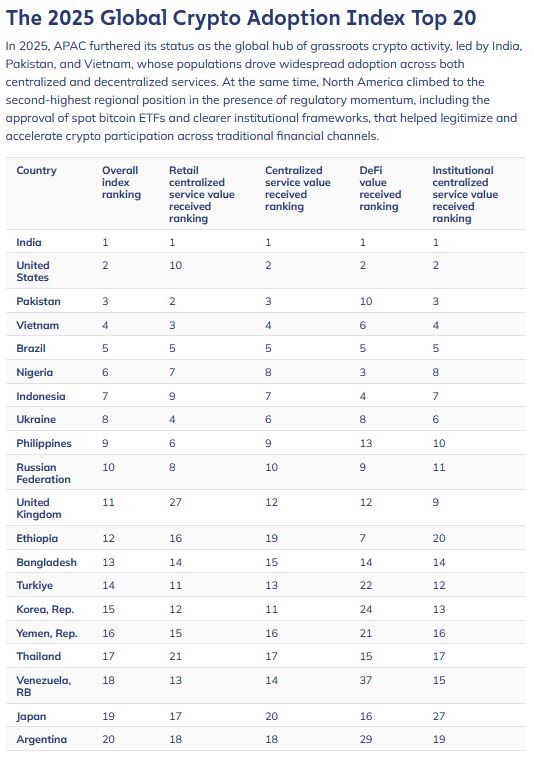
Vietnam is already one of the world’s most active crypto markets. Chainalysis data shows the country ranked fourth in the latest Global Crypto Adoption Index. Transaction volume involving Vietnamese traders is estimated at more than $200 billion over the 12 months to June.
That scale helps explain why regulators are acting now. Crypto is not recognized as money or legal tender in Vietnam, but ownership is not explicitly banned. Hence, most trading happens through offshore centralized exchanges such as Binance, OKX, and Bybit. For policymakers, that raises concerns around capital outflows, oversight, and tax collection.
How Vietnam’s crypto regulation is taking shape
The immediate policy direction is not broad liberalization. Instead, the government appears to be building a controlled domestic market. Approved exchanges will operate under local supervision, and activity can be monitored more closely. The pilot scheme could be rolled out as soon as this month under Resolution No. 05/2025/NQ-CP issued in September 2025.
Local reporting provides additional detail on the capital threshold facing prospective operators. Resolution No. 05/2025/NQ-CP sets a minimum charter capital requirement of about $40 million for establishing a digital asset exchange. Some pilot proposals target higher thresholds for licensed operators within the pilot framework, suggesting stricter entry requirements as the regulatory model develops. Both reports point to a cautious regulatory design aimed at screening out weaker entrants.
Sun Group and the scramble for early positions
One reason this story matters beyond regulation is the type of companies moving into the sector. Reports suggest that Sun Group has become the controlling shareholder in Vietnam Digital Asset JSC, contributing 64% of its initial capital. The company was established in January with registered business lines covering brokerage, trading services, and exchange operations.
That suggests large domestic groups expect the licensing regime to create a meaningful new financial market rather than a symbolic pilot. Vietnamese financial firms are preparing capital and technology infrastructure to compete for the first licences. The market appears to be shifting already from speculation about regulation to positioning ahead of enforcement.
>>> Read more: Bhutan National Digital Identity Migration to Ethereum
What comes next
The next phase will depend on how aggressively Hanoi follows through on restricting offshore access. The Finance Ministry is drafting rules to prohibit Vietnamese nationals from trading on overseas crypto platforms, though the final scope, timeline, and enforcement mechanism remain unclear.
For now, the policy message is straightforward. Vietnam’s crypto regulation is moving toward a domestically licensed model that could redirect trading activity, fee income, and market infrastructure back into the country. Whether that produces a safer and more competitive market will depend on the final rules for supervision, taxation, custody, and investor protection.