


TL;DR
- Polish lawmakers approved a MiCA-aligned crypto bill as the country races to meet the EU’s July compliance deadline.
- The legislation advances while prosecutors investigate Zondacrypto over missing funds, inaccessible wallets and alleged fraud affecting thousands of users.
- President Karol Nawrocki previously vetoed two earlier versions of the bill, leaving the final outcome uncertain.
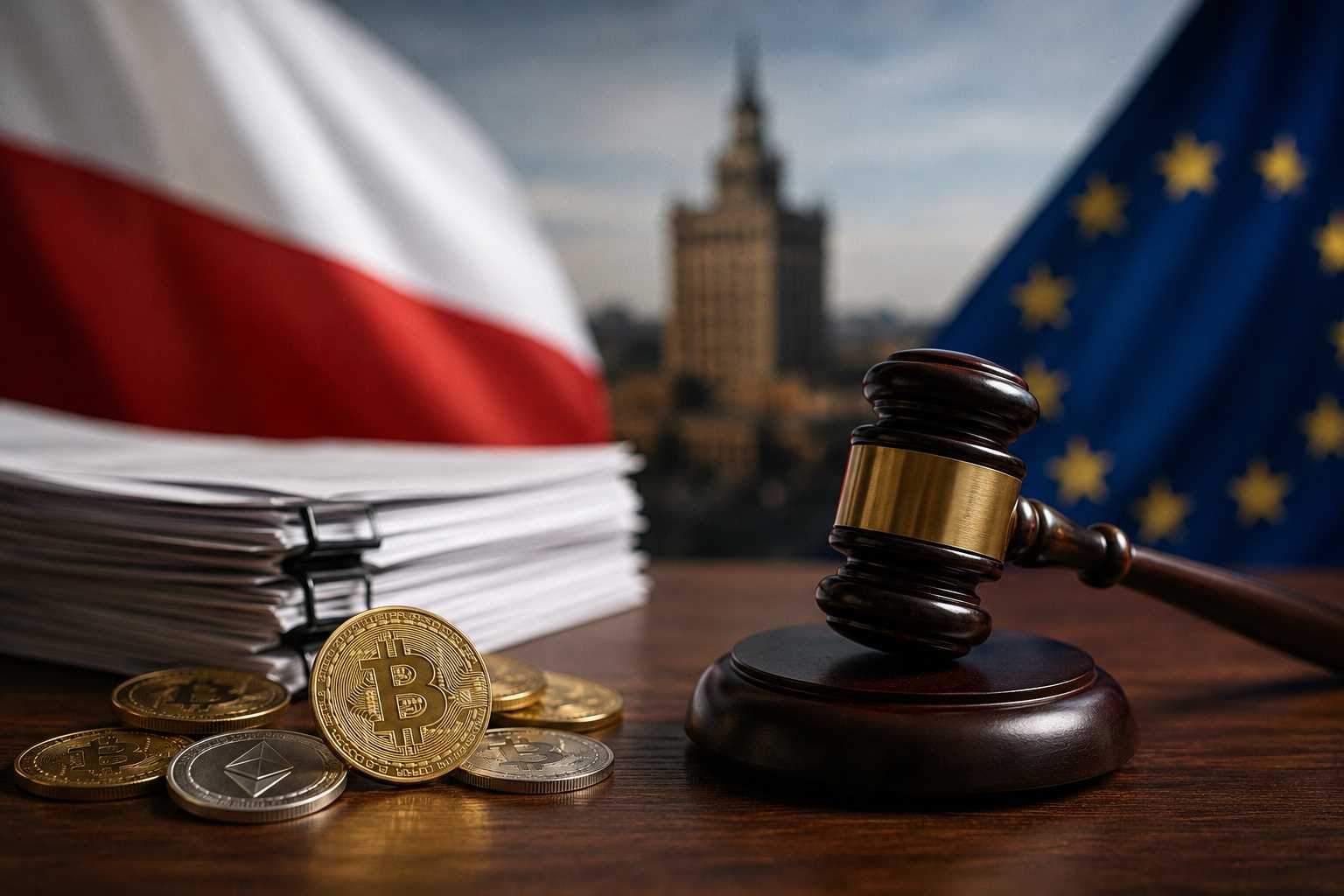
Polish lawmakers have adopted a new crypto regulation bill as the country races to implement the European Union’s MiCA framework before a July deadline.
Poland’s crypto bill passed while prosecutors investigate Zondacrypto, once Poland’s largest crypto exchange. Thousands of users have reportedly been unable to withdraw funds, with prosecutors estimating losses of more than 350 million zlotys, or about $96 million.
The vote links two issues that had previously moved on separate tracks. One is Poland’s delayed compliance with EU crypto rules. The other is a politically charged exchange scandal now driving calls for tighter supervision.
Poland moves to implement MiCA
MiCA is the EU’s main regulatory framework for crypto assets. It sets common rules for crypto service providers across the bloc, including licensing, disclosure, governance and consumer protection. Poland was the last EU member state without the necessary legislation to align itself with MiCA.
Under the bill the Polish Financial Supervision Authority (KNF) has a central role in overseeing Poland’s crypto market. The regulator would gain powers to suspend offerings, block accounts and impose penalties for market abuse. Without the bill, Polish crypto firms faced a stark choice. They could obtain a MiCA license in another EU country or risk losing the ability to operate across the bloc entirely.
The bill was one of four competing crypto proposals the Sejm debated simultaneously from May 12. The other proposals came from President Nawrocki, the Poland 2050 party and the Confederation party. The situation reflected how deeply divided Polish politics remains on crypto regulation.
Zondacrypto turns regulation into a political issue
The timing of the crypto bill has been shaped almost entirely by the Zondacrypto collapse. Zondacrypto, formerly known as BitBay, was founded in 2014 and grew into the largest crypto exchange in Poland. The first public sign of serious trouble came in April 2026. On-chain analysis revealed the exchange’s hot wallet Bitcoin reserves had fallen by 99.7%. Holdings dropped from approximately 55.7 BTC in August 2024 to just 0.18 BTC by March 2026.
Missing wallets and fraud investigation
The situation worsened when CEO Przemysław Kral disclosed that the company held a cold wallet with approximately 4,500 BTC worth around $330 million. However, the company reportedly had no access to it. The private keys were held by founder Sylwester Suszek, who disappeared in 2022 and is presumed dead by Polish prosecutors. Kral has since departed to Israel, where he holds citizenship. That significantly complicates any extradition effort. The entire supervisory board of Zondacrypto‘s parent company resigned, citing material inconsistencies in the company’s accounts. Prosecutors in Katowice opened a formal investigation into large-scale fraud and money laundering. Up to 30,000 Polish customers may have been affected.
Political fallout and Russian influence allegations
Tusk’s allegations against the exchange were specific and explosive. He named the Tambov group, a powerful Russian criminal network allegedly connected to figures close to the Kremlin. He also said Zondacrypto had financed foundations linked to right-wing and far-right politicians. The exchange was the main sponsor of the 2025 CPAC conference in Poland, where former US Homeland Security Secretary Kristi Noem backed Nawrocki’s presidential candidacy. Zondacrypto was also the general sponsor of the Polish Olympic Committee. Athletes are still owed approximately 1.1 million zlotys in medal rewards. The Kremlin has denied the allegations, while opposition figures have rejected the political claims.
Previous vetoes still matter
The bill may not be the final word. Nawrocki vetoed two earlier versions of the crypto regulation legislation in quick succession, first in December 2025 and again in February 2026. The second veto came just weeks before Zondacrypto began its collapse. Both Sejm override attempts fell short. The April 2026 vote failed by just 20 votes.
Nawrocki argued the measures overregulated the sector and would push business abroad. He pointed to countries like the Czech Republic and Hungary, which implemented MiCA-aligned rules far more concisely. His second veto came despite a classified briefing from Poland’s Internal Security Agency. The briefing had reportedly linked Zondacrypto to Russian-connected financial networks.
A separate proposal from four Law and Justice party MPs sought to ban crypto activity outright, though the Sejm Speaker confirmed it will only be processed after the primary regulatory bills are concluded.
>>> Related: Poland’s President Vetoes Revised MiCA Bill for Second Time
Why the bill matters
Poland’s crypto bill matters because it turns MiCA compliance into a test of domestic enforcement. EU crypto rules create the framework, but national authorities decide how supervision works in practice.
For users, the key question is whether regulation can reduce the risk of exchange failures and frozen withdrawals. For companies, the concern is whether the rules create a clear licensing path or add prohibitive compliance costs.
The Zondacrypto probe has made that balance harder. It gives regulators a strong argument for stricter oversight of the Polish crypto market. At the same time, it raises the risk that legislation gets shaped by political pressure rather than stable long-term policy.
For now, Poland has moved closer to aligning with EU crypto rules. Whether the bill survives further political resistance, and whether it can restore confidence after one of the country’s most damaging crypto scandals, remains to be seen.