


TL;DR
- Bitcoin Depot filed for Chapter 11 bankruptcy after regulatory pressure, falling revenue, and mounting operational costs weakened its business.
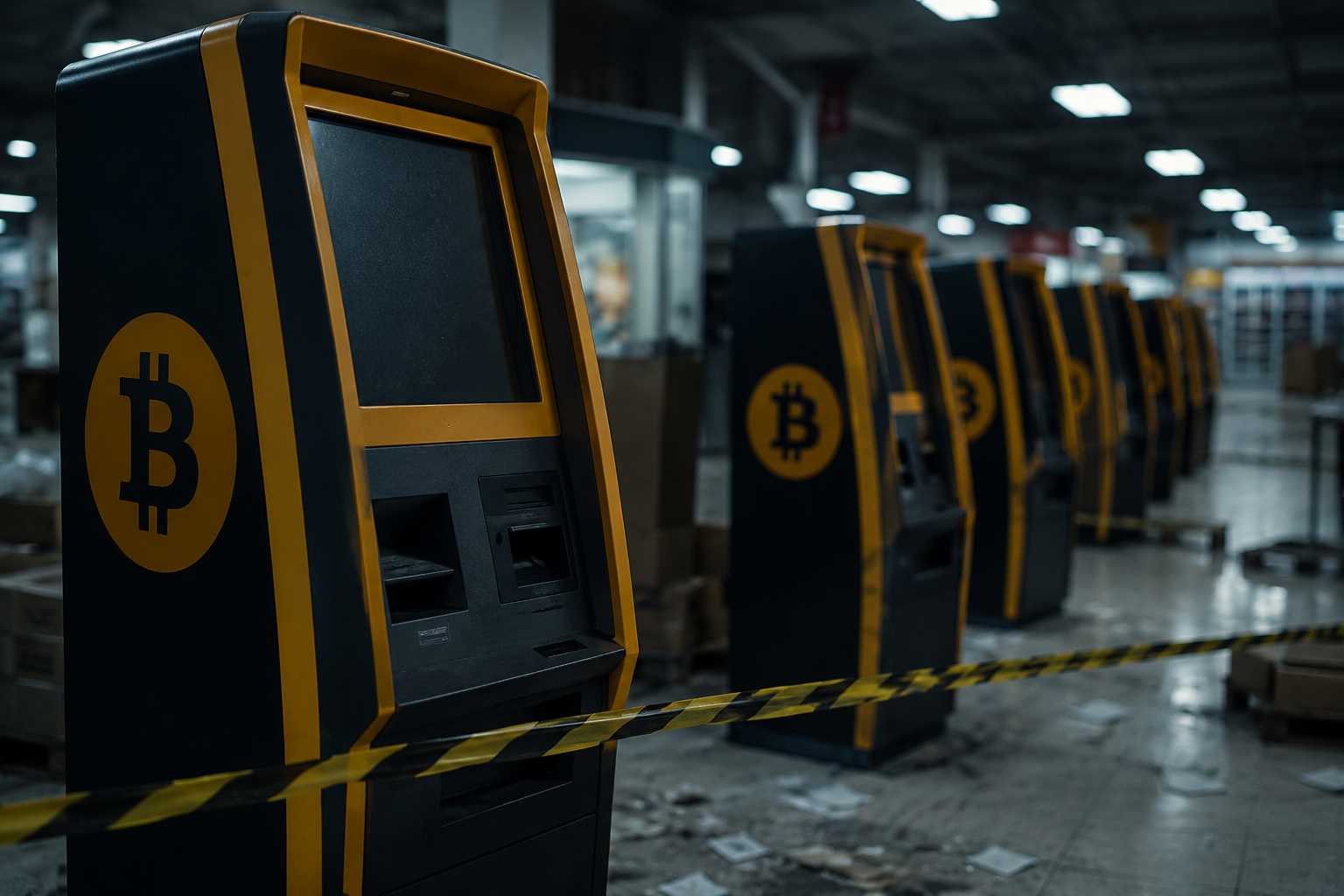
- The company shut down its network of more than 9,000 Bitcoin ATMs across the United States, Canada, and Australia.
- A recent $3.665 million Bitcoin theft and prior going-concern warning added further strain before the bankruptcy filing.
Bitcoin Depot has filed for voluntary Chapter 11 bankruptcy protection in Texas. The company was previously the largest Bitcoin ATM operator in North America, holding roughly 28% of the U.S. crypto ATM market.
Bitcoin Depot’s Chapter 11 filing is intended to support an orderly wind-down of operations and a sale of the company’s assets. Before the filing, the company had already issued a formal “going concern” warning, stating there was substantial doubt about its ability to continue operating over the next 12 months.
Preliminary Q1 2026 revenue fell 49.2% year-over-year. The company also posted a net loss of $9.5 million, compared to net income of $12.2 million during the same quarter a year earlier.
The company also said its Bitcoin ATM network has been taken offline. Bitcoin Depot previously operated more than 9,000 kiosks across the United States, Canada, and Australia for customers seeking cash-based Bitcoin purchases.
Regulatory pressure hits the ATM model
Bitcoin ATMs allow users to convert cash into Bitcoin through physical kiosks, often placed in retail stores, gas stations, and convenience locations. For mainstream users, they have offered a simple entry point into crypto without needing to use a traditional exchange.
That model has come under heavier scrutiny. Bitcoin Depot said stricter compliance obligations and state-level restrictions have materially affected its business. The company also pointed to transaction limits, litigation, bans in some jurisdictions, and broader regulatory enforcement pressure.
The company was also dealing with operational fallout from a recent security incident. On March 23, 2026, Bitcoin Depot discovered that an unauthorized party had obtained credentials connected to corporate crypto wallets. The attacker then transferred approximately $3.665 million worth of Bitcoin, or around 50.9 BTC.
The incident was later disclosed in an SEC filing on April 8, 2026. Bitcoin Depot said customer accounts, personal data, and user-facing platforms were not affected. However, the breach added further financial and reputational pressure to an already strained business.
The company said it had strengthened fraud-prevention procedures. Those measures included identity verification checks, customer warnings, and lower transaction limits. Even with those changes, management concluded that the current business model was no longer sustainable.
>>> Read more: New Zealand Bans Crypto ATMs, Enforces $5K Transfer Cap
Asset sale now becomes the focus
The Chapter 11 process gives Bitcoin Depot a court-supervised structure to manage claims and wind down operations. It also creates a framework for seeking buyers for company assets.
Chapter 11 does not always mean a company disappears immediately, but in this case Bitcoin Depot has clearly framed the process around winding down rather than returning to normal operations.
Its Canadian entities are included in the U.S. court-supervised process. Other non-U.S. entities are expected to wind down under applicable foreign laws. That makes the filing broader than a single domestic restructuring.
The immediate practical impact is clear for customers. The company’s kiosk network is offline, meaning users can no longer rely on Bitcoin Depot machines to buy Bitcoin with cash.
Why this matters for crypto access
The Bitcoin Depot Chapter 11 filing highlights a larger tension in crypto adoption. Cash-to-crypto kiosks were designed to make Bitcoin easier to access. They also appealed to users who were uncomfortable using online exchanges.
But the same features that made these machines accessible also created regulatory concerns. Cash transactions and fraud risk created regulatory pressure. Consumer complaints and inconsistent state rules also made the sector harder to operate at scale.
For readers outside the crypto industry, the key point is simple. Crypto infrastructure does not only depend on technology. It also depends on crypto compliance costs, legal exposure, and whether regulators believe consumer protections are strong enough.
>>> Read more: FinCEN Flags $3.9B in Crypto ATM Fraud, Urges Crackdown
A warning for kiosk operators
Bitcoin Depot’s collapse does not mean all crypto ATM operators will face the same outcome. However, it does show that growth alone is not enough if regulation and operating costs move faster than revenue.
The company had once promoted its broad kiosk footprint as a way to connect cash users to digital finance. Now, Bitcoin Depot‘s bankruptcy shows how quickly that advantage can weaken when rules change and legal risks accumulate.
The next stage will depend on the bankruptcy process and interest in the company’s assets. Court decisions involving creditors and stakeholders will also shape the outcome.
For the wider crypto ATM sector, the message is already visible: accessible crypto services will need stronger compliance foundations if they want to survive in a stricter regulatory environment.